October 1, 2026
Understanding asphalt sealcoating is essential for anyone involved in the maintenance of asphalt surfaces. The decision to invest in asphalt sealcoating is not merely a maintenance issue, but a critical factor in asset management. Let's explore why sealcoating by local asphalt companies is important, the optimal time for application, and detailed guidance on how to ensure the process is effective and long-lasting. By comprehensively examining these aspects, you can make informed decisions to enhance the longevity and appearance of asphalt surfaces.
The Importance of Asphalt Sealcoating
Protection Against Environmental Damage
Asphalt surfaces bear the brunt of harsh environmental conditions, with sealcoating acting as a protective shield. This barrier protects from UV rays, which can cause oxidation and lead to brittleness. Water, a major adversary, infiltrates beneath the surface, freezing, expanding, and causing cracks. Sealcoating applied by local asphalt companies provides a waterproof layer, limiting this intrusive damage. Through such protective measures, you prolong the structural integrity and appearance of the asphalt.
Enhancing Surface Durability
Asphalt surface durability directly correlates with the frequency of sealcoating. Regular application enhances resilience to future wear and tear by preventing the formation of cracks and potholes. While all asphalt requires maintenance, areas plague by heavy traffic or extreme weather particularly benefit from reinforcements. According to Forbes, regularly sealing your driveway every two to five years can help maintain its condition. Such preventive measures ultimately conserve resources and labor by decreasing the need for significant repairs.
Improving Aesthetic Appeal
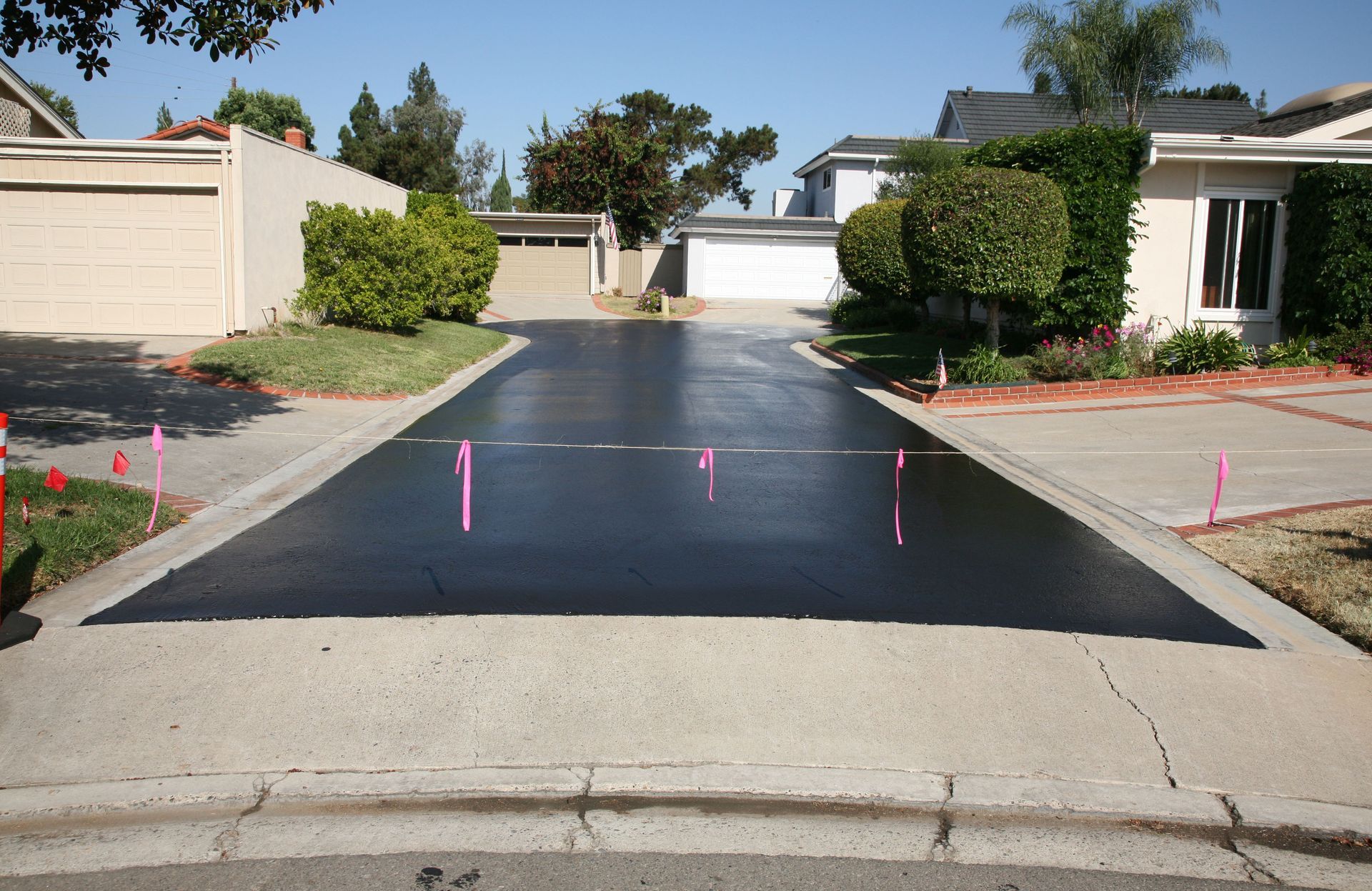
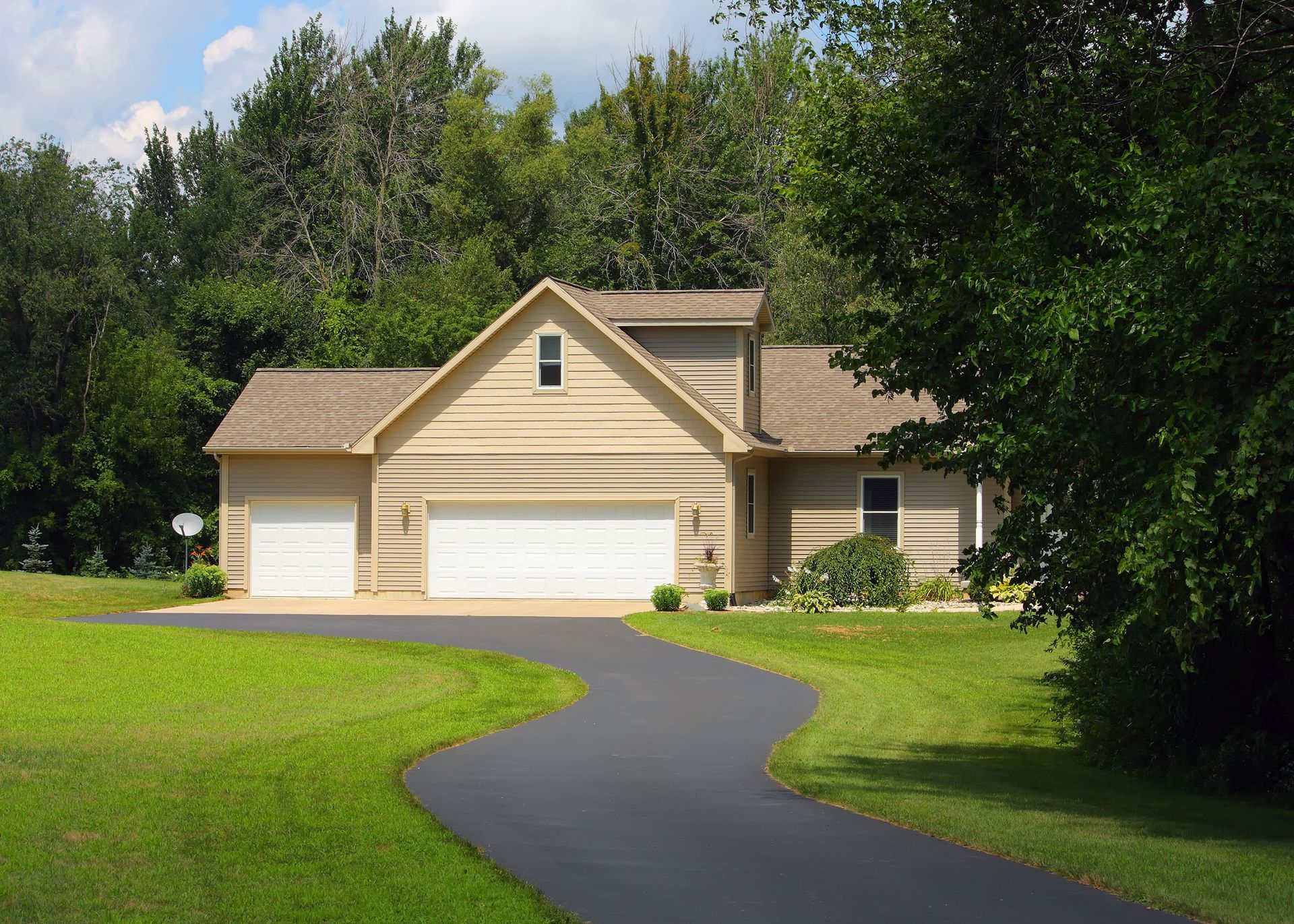
A freshly sealcoated surface can dramatically transform the appearance of parking lots and driveways, delivering a clean, black sheen. This aesthetic transformation directly impacts the perception of adjacent property. Beyond the initial visual appeal, sealcoating can augment the reflection of parking lot striping and road markings, further boosting curb appeal. This improved appearance contributes to a sense of pride among business owners and homeowners alike. For commercial establishments, maintaining an inviting exterior can directly influence customer attraction and retention.
Optimal Timing for Sealcoating
Recognizing Signs of Wear and Tear
Timely identification of wear and tear indicators is crucial in planning sealcoating with local asphalt companies. Common signs include surface fading, light grayness indicating oxidation, and the emergence of minor cracks. Ignoring these signs can induce costly repairs, as small cracks eventually breed larger structural issues. Consequently, visual inspections should be routine, enabling early detection and intervention. Proactive maintenance ensures the surface remains in optimal condition, extending its efficacy and value.
Seasonal Considerations
Sealcoating is best applied during certain weather conditions and seasons. The most suitable periods are spring and early fall when temperatures are mild, avoiding extremes that can hinder application effectiveness. We've found that ideal conditions include dry weather with consistent temperatures not dropping below 50 degrees Fahrenheit, as moisture can compromise the material bond. During these seasons, downtime is minimized, and stakeholders benefit from maximum application efficiency. Monitoring weather patterns helps strategize sealcoating operations for optimal results.
Scheduling Frequency for Maintenance
Strategically scheduling sealcoating sessions is key to maintaining asphalt integrity. As traffic load varies, so should frequency; heavily trafficked areas, such as commercial parking lots or highways, require more frequent applications. Residential driveways generally benefit from a two-to-five-year cycle, per Forbes recommendations. Adapting schedules to specific conditions allows for tailored maintenance that optimizes resource allocation. Such foresight not only preserves the surface but enhances its performance and aesthetic value.
Preparation Before Sealcoating Application
Thorough Cleaning of the Surface
An immaculately cleaned surface is pivotal for successful sealcoating adherence. Debris, oil spots, and residues impede the sealant from bonding efficiently, potentially causing failure. Utilizing industrial cleaners and pressure washing removes these impurities, preparing a pristine canvas for application. The cleaning process must cover all surface aspects, ensuring no blemishes or unattended areas remain. Investing considerable effort in this stage sets the groundwork for a seamless, uniform finish that maximizes the sealcoat's potential.
Repairing Existing Damages
Prior to sealcoating, addressing current surface damages is essential to prevent future aggravation. Hiring local asphalt companies to seal cracks and patch potholes stabilizes the foundation, providing a smooth base for the sealcoat to overlay. Ignored, these preliminary repairs would cause sealcoating weaknesses, inviting further deterioration under the surface. Additionally, such repairs are a sign of the ruination of the sealcoat's aesthetic, which compromised surface continuity can spoil. Consequently, thorough inspection and patching ensure a resilient and attractive end result.
Edge Trimming and Vegetation Control
Clearing the area of overgrown vegetation and ensuring neat edges contribute significantly to a professional sealcoat application. Overhanging grasses and roots not only intrude aesthetically but can lead to surface lifting if they penetrate the sealcoat. Using edging tools, landscapers delineate clear boundaries that secure the sealant along the surface margins. Reliable vegetation management prolongs surface life by preventing organic disintegration at asphalt edges. Clarity in fringe areas imparts a polished overall appearance and sustains the sealant's effectiveness.
Marking and Preparing the Area
Organizational precision in preparation extends to effectively marking and barricading the area. Proper use of marking tools, like paint or chalk, defines clear boundaries and ensures uniform coverage without spillage. Installing barricades and signage informs and protects pedestrians and vehicles from entering the zone, reducing mishaps and interference. Early and adequately communicated preparation increases project efficiency and reduces error margins by delineating traffic-controlled zones. By aligning preparation with safety, precision, and clarity constructs the groundwork for effective sealcoating execution.
Determining Material Coverage Needs
Accurate calculation of material needs is critical in optimizing cost and achieving thorough coverage. Factors influencing required material quantities include surface area, texture, porosity, and expected traffic conditions. Tools like coverage calculators help anticipate necessary volumes for efficient ordering and planning. Underestimating results in costly project delays, whereas overestimation could bind unnecessary funds and resources. Carefully gauging and preparing these material requirements supports project sustainability and delivery, ensuring economic and efficient asphalt surface management.
Application Process of Asphalt Sealcoating
Tools and Equipment Required
A comprehensive inventory of the correct tools and equipment enhances sealcoat application efficiency and quality. Essential items local asphalt companies use include asphalt squeegees, spray systems, and mixing tools that ensure even dispersal and penetration. Maintaining equipment in peak condition and conducting regular checks minimize downtime and improve operational effectiveness. Training personnel in tool-handling procedures enhances safety and ensures meticulous application outcomes. Investing in suitable and well-maintained equipment maximizes application delivery and efficacy, forming a cornerstone of successful operations.
Step-by-Step Application Guide
An orderly approach to sealcoat application underpins overall efficacy and uniformity of results. First, local asphalt companies will mix the sealant following product instructions to achieve a homogenized compound. Apply using squeegees or spray systems, ensuring even coverage in deliberate, overlapping passes to eliminate gaps. Monitoring application works to respect environmental factors like temperature and humidity, crucial to achieving proper adhesion. Employing a systematic and calculated process preserves material and promotes consistent surface protection, ensuring long-lasting asphalt upkeep.
Safety Precautions During Application
Ensuring safety on-site fosters a secure and productive working environment. Local asphalt companies will use personal protective equipment like gloves, goggles, and masks to mitigate exposure risks. They'll also use clear signage and physical barriers to keep unauthorized personnel from the application site, limiting potential accidents. Equipment safety checks and responsible handling practices are pivotal, preventing hazards that compromise staff welfare. Combining these measures cultivates a safety-first culture where excellence in safety translates directly to quality results.
Investing in proper asphalt sealcoating with local asphalt companies is crucial for enhancing the life and look of asphalt surfaces. By understanding the importance, timing, material selection, preparation, application, and maintenance aspects, you can ensure durable, cost-effective, and aesthetically pleasing outcomes. Reach out to Asphalt Paving & Concrete today to get started!