October 30, 2026
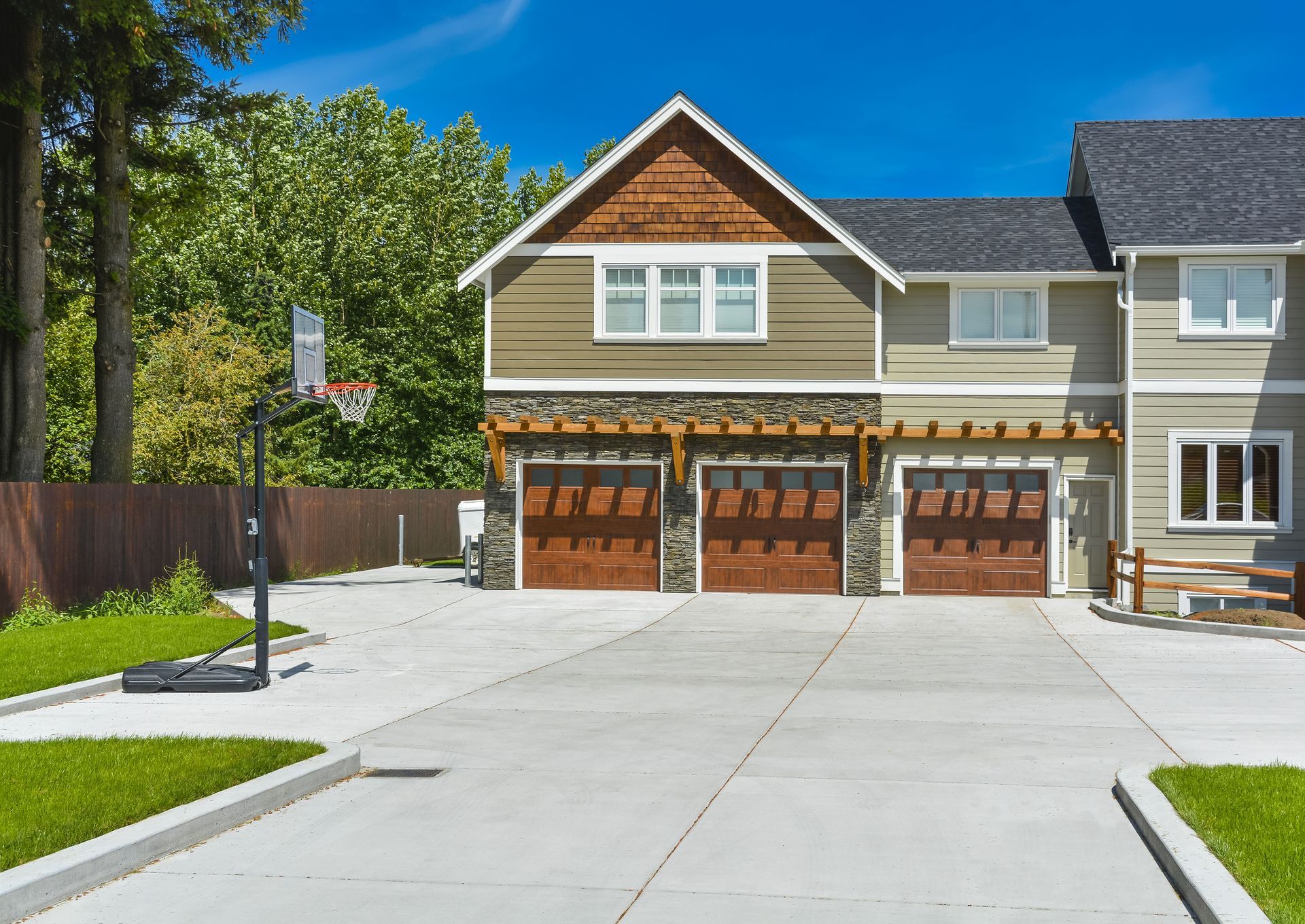
In this article, we will explore the essential steps required to prepare for installing a new concrete driveway from a driveway company. Proper preparation is key to ensuring a durable and long-lasting driveway that enhances your property. From the initial planning phase to the final touches, each step plays a crucial role in the success of your project. By following these guidelines, you can create a driveway that not only meets your immediate needs but also adds lasting value to your home. With the potential for a 50% to 80% return on investment, according to Home Advisor, installing a concrete driveway can be a wise financial move.
Plan Your Driveway Project and Establish a Budget
Determining the appropriate size and location for your driveway is the first crucial step. Consider the number of vehicles needing accommodation and any additional space for turning or parking. The location should complement the existing landscaping and structural elements of your property. Planning this aspect carefully ensures the driveway is both functional and aesthetically pleasing. Taking these initial considerations into account sets the stage for a successful project from a driveway company.
Evaluation of site conditions involves examining both the topography and the soil. Different soil types have varied stability and drainage characteristics, which can significantly affect the driveway’s longevity. Analyzing the site ensures that potential issues can be addressed early in the project. Proper site assessment helps guide the selection of materials and construction techniques. Understanding these factors leads to the development of a tailored plan that considers all crucial variables.
Creating a realistic budget requires an understanding of the cost factors involved. This includes the price of materials, labor, permits, and any unforeseen expenses that may arise. It's wise to account for additional features such as lighting or landscaping that may complement the driveway. Planning for future changes can save money and effort down the road. By establishing a clear and comprehensive budget, you set a foundation for a financially manageable project with a high return on investment.
Obtain Permits and Review Local Regulations
Researching local regulations and zoning laws is an essential step in preparing for a new driveway. These regulations govern where and how the driveway can be constructed. Each municipality will have its specific ordinances, so familiarizing yourself with them early on prevents potential legal issues. This research helps identify any conditions or limitations that must be met. Addressing these requirements before construction begins can save time and avoid costly fines or delays.
After understanding the regulations, the next step is applying for construction permits. Permits ensure that your project adheres to local codes and safety standards, which can also protect future property value. The process typically involves submitting plans and possibly undergoing site inspections. It may require scheduling several appointments with inspectors throughout the project’s lifetime. Being diligent in this phase ensures compliance and contributes to a smoother installation process.
It's also critical to consult with any homeowner associations that may have rules governing driveway construction. Neighborhood associations can have specific guidelines that may supersede municipal regulations. These could include aesthetic rules regarding materials or colors or restrictions on driveway dimensions. Engaging with these entities early helps incorporate their requirements into your design. Additionally, ensuring environmental compliance by considering local flora and wildlife conservation adds another layer of responsibility.
Design a Functional and Attractive Driveway Layout
Selecting the right driveway shape and style is where creativity meets functionality. A curved driveway may add elegance, while a straight design might be more practical for limited spaces. The choice will typically depend on personal preference, available space, and landscaping considerations. By examining these factors, homeowners can create a cohesive look that enhances their property's curb appeal. An aesthetically pleasing design can significantly increase property value, supporting greater returns on investment.
Choosing appropriate dimensions involves more than just accommodating current needs. It should account for potential future needs, such as additional vehicles or changing family size. Adequate width and length are necessary for the safety and convenience of vehicle and foot traffic. Furthermore, appropriate dimensions ensure compliance with local zoning and building codes. Planning these details ensures the driveway is not only functional but also adaptable to future changes.
Proper drainage and water runoff are critical components of driveway design. Improper drainage can lead to erosion, water pooling, and ultimately, driveway failure. Planning for efficient drainage involves analyzing the site's slope, soil type, and local weather patterns. Adequate drainage not only protects the driveway but also the surrounding property and landscaping. Incorporating drainage solutions in the initial design phase helps prevent costly repairs and enhances driveway longevity.
Prepare and Stabilize the Construction Site
Clearing and grading the land are the first physical steps in site preparation. This involves removing vegetation, rocks, and debris to create a level surface. Grading ensures that the driveway will have proper drainage and support. Preparing the land thoroughly reduces the risk of soil movement, which can cause future cracking. This foundational work sets the stage for a strong and durable driveway structure.
Marking the driveway boundaries helps visualize the layout and ensures alignment with design plans. Using stakes and strings to outline the driveway provides a clear guide for excavation and construction. This step helps communicate the design to the driveway company and align their work accurately. Precise marking prevents encroachment on neighboring properties and ensures compliance with zoning regulations. Careful attention at this stage contributes to the driveway's overall precision and functionality.
Select Durable Concrete Materials and Finishes
Selecting a quality concrete mix is vital for a durable driveway. The right mix will have the necessary strength and longevity to withstand weather conditions and use. Different projects may require specific mixes depending on their needs and site conditions. Homeowners should also consider additives that improve concrete performance, such as accelerators, retarders, or air entrainment agents. Consulting with suppliers or experts can help choose the optimal mix for your project’s requirements.
Reinforcement options, like rebar or wire mesh, provide additional strength to the concrete. These materials help distribute loads and reduce the risk of cracking. The need for reinforcement depends on the driveway's intended use, expected weight load, and local climate conditions. Evaluating these factors helps determine the type and amount of reinforcement required. Reinforcement not only extends the driveway's life but can also improve its overall structural integrity.
Choose a Reliable Concrete Driveway Contractor
Researching a potential driveway company is essential to find a skilled professional who aligns with your project needs. Start by seeking recommendations and conducting online searches to generate a list of local candidates. Look for those with extensive experience in concrete driveway installations. Online reviews and client testimonials can provide insight into their reliability and quality of work. Taking the time to thoroughly vet contractors can save future headaches related to subpar work or missed deadlines.
Requesting and comparing quotes is a critical step in selecting a driveway company. Quotes should include detailed descriptions of the work, materials, timeline, and costs. Having multiple estimates allows you to gauge industry standards for pricing and services. Avoid choosing a driveway company solely based on the lowest bid; instead, consider the value they offer relative to their price. A thorough comparison ensures you select a driveway company that provides both quality and cost-effectiveness.
Preparing for a new concrete driveway involves several critical steps. By carefully assessing needs, complying with regulations, designing an effective layout, preparing the site, selecting the right materials, and choosing a reputable driveway company, you can ensure a successful and satisfying result. Remember, the time and effort spent in preparation will pay off with a durable and aesthetically pleasing driveway that adds value to your home. Reach out to Asphalt Paving & Concrete to learn more about our services today.