September 30, 2026
The driveway serves as the primary entrance to your home, setting the tone for your property's exterior and providing essential functionality for daily life. When the time comes to build a new surface or replace an aging one, homeowners frequently find themselves weighing the benefits of different paving materials. Among the most popular choices are asphalt and concrete, each offering distinct advantages depending on your specific needs, budget, and geographical location. Making the right choice requires a careful examination of various factors, including installation expenses, ongoing upkeep, and how well the material handles local weather conditions. Whether you are leaning toward the classic look of a dark surface or the customizable nature of a rigid pavement, understanding these differences is crucial for any successful home improvement project. The decision will impact not just the immediate look of your home, but also your long-term financial planning and weekend maintenance schedules. Consulting a reputable asphalt company early in the planning phase can also provide valuable guidance tailored to your specific project requirements. By exploring the core characteristics of both materials, you can make an informed decision that enhances your property value and meets your everyday needs.
Analyzing Installation Costs
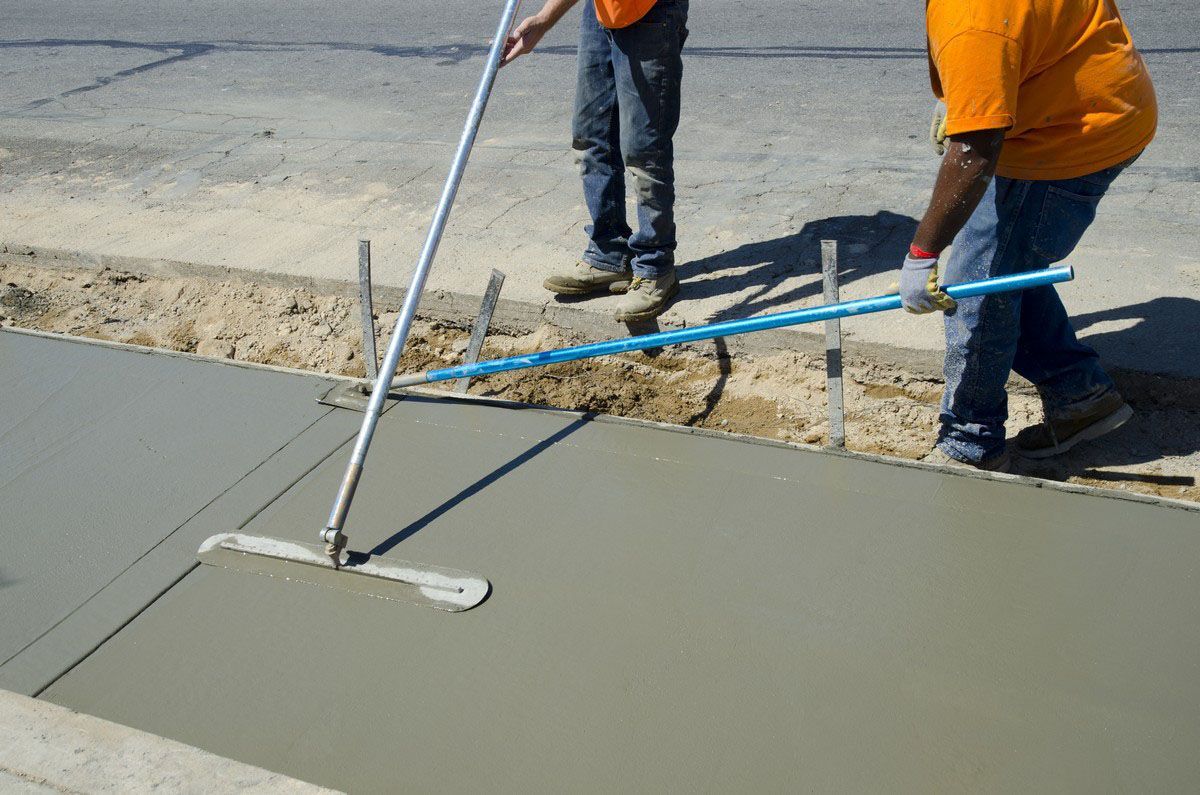
A primary factor homeowners consider when planning a new driveway is the initial financial investment required for installation. Generally speaking, asphalt tends to be the more budget-friendly option upfront. The raw materials used in its production are often less expensive, and the installation process is typically faster. A professional asphalt company can usually lay the surface and have it ready for use much quicker than alternative options, reducing labor costs. On the other hand, concrete requires a more complex mixture of materials and a labor-intensive installation process. The pouring, leveling, and curing phases take considerable time and effort, which naturally drives up the initial price. While the upfront savings of a darker pavement are attractive, it is important to view these costs through the lens of long-term value. Homeowners must balance their immediate budget constraints with the potential future expenses associated with each material. Taking the time to gather detailed estimates from a qualified asphalt company and concrete contractors will provide a clearer picture of the financial commitment required for your specific property layout.
Evaluating Maintenance Needs
Beyond the initial installation, the ongoing maintenance required to keep your driveway in optimal condition is a crucial consideration. Asphalt surfaces require regular attention to maintain their structural integrity and visual appeal. Over time, exposure to the sun and regular vehicle traffic can cause the surface to oxidize and develop small surface cracks. To combat this deterioration, homeowners must commit to a routine of sealing the surface every few seasons. Hiring a reliable asphalt company to perform regular maintenance can significantly extend the life of the pavement and prevent minor issues from turning into major structural failures. Concrete, conversely, is generally considered a lower-maintenance material. It does not require frequent sealing to maintain its strength, though occasional cleaning and a protective seal can help prevent staining from vehicle fluids or environmental debris. However, when concrete does sustain damage, the repairs are often more complicated and noticeable. While a darker surface can be easily patched and blended by an experienced asphalt company, fixing a large crack in concrete may require replacing entire sections to maintain a cohesive look. Therefore, evaluating your willingness to perform regular upkeep is essential when making your material selection.
Comparing Lifespan Expectations
The overall longevity of your driveway is another critical element to weigh when deciding between these paving materials. Both options offer impressive durability, provided they are installed correctly and maintained diligently. Concrete is widely renowned for its exceptional lifespan, often lasting several decades without requiring a complete replacement. Its rigid structure allows it to withstand significant weight and daily wear without succumbing to immediate deterioration. This long-term resilience often justifies the higher initial installation costs for many homeowners who view it as a permanent property upgrade. While asphalt might not boast the exact same lifespan as concrete, it still provides exceptional longevity when cared for properly. With routine sealing and prompt repairs to any developing damage, a surface installed by a skilled asphalt company can serve your household reliably for many years. The flexibility of the darker pavement allows it to bear weight effectively, adapting to minor shifts in the underlying soil without immediately fracturing. When deciding between the options, you must consider whether you prefer a larger upfront investment for a slightly longer-lasting surface or a lower initial cost with a commitment to ongoing maintenance to maximize its lifespan.
Exploring Aesthetic Options
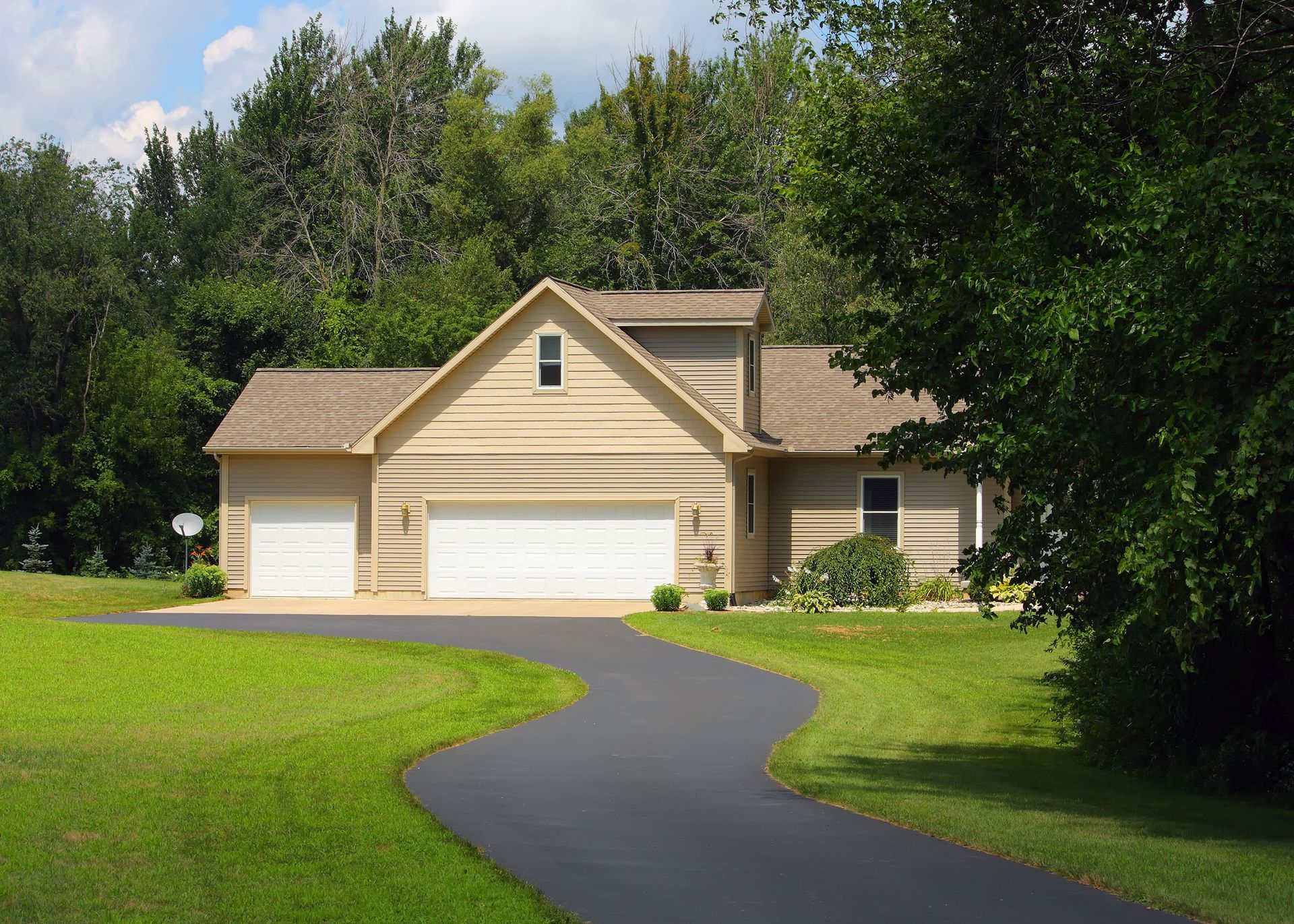
The visual impact of your driveway plays a significant role in the overall curb appeal of your home, making aesthetic preferences a vital part of your decision-making process. Asphalt offers a clean, sleek, and uniform appearance. The deep, rich color provides a striking contrast against green lawns and bright landscaping features, creating a classic and welcoming entrance to your property. Additionally, the dark surface easily hides minor stains and fluid leaks, maintaining a tidy look with minimal effort. While the design options are somewhat limited compared to other materials, the traditional aesthetic remains a highly sought-after look for many residential properties. Concrete, by contrast, offers a vast array of customizable design possibilities. Homeowners can choose from various finishes, including stamped patterns that mimic the look of natural stone, brick, or cobblestone. It can also be tinted or stained to match the exterior color palette of your home perfectly. This versatility allows for a highly personalized touch that can dramatically elevate the exterior design of your property. If unique patterns and specific colors are a priority, concrete may be the preferable choice, whereas those seeking a sleek, traditional entrance often favor the clean lines provided by an expert asphalt company.
Assessing Climate Suitability
The local climate and typical weather patterns in your region are perhaps the most critical factors influencing the performance and longevity of your driveway. Different materials react uniquely to temperature fluctuations and environmental stressors. In regions that experience harsh winter weather and frequent freezing and thawing cycles, asphalt is often the preferred choice. Its flexible nature allows it to expand and contract with the changing temperatures, significantly reducing the likelihood of severe cracking. Furthermore, the dark color absorbs heat from the sun, which helps melt snow and ice faster during the winter months, providing a safer surface for vehicles and pedestrians. Concrete, due to its rigid composition, is more susceptible to cracking and surface spalling when exposed to extreme cold and the repeated use of deicing salts. Conversely, concrete performs exceptionally well in hot climates, as it remains cool to the touch and does not soften under the intense sun. According to This Old House, asphalt driveways can endure extreme temperatures that heat the surface as high as 150 degrees Fahrenheit. While it can withstand this intense heat, the material may become slightly more pliable during peak summer conditions. Assessing your local weather patterns will guide you toward the material best equipped to handle the environmental demands of your specific area.
Choosing the right material for your new driveway involves a careful balancing act between initial budget, long-term maintenance commitments, aesthetic desires, and the realities of your local climate. Both options present unique benefits that can significantly enhance the functionality and curb appeal of your home. By taking the time to evaluate your specific household needs and consulting with experienced professionals, you can ensure a successful installation that will serve your property well for many years to come. Whether you prioritize a customized design or a sleek, classic entrance, the right choice will ultimately add lasting value to your home. If you are ready to explore your options and transform your property exterior, call Asphalt Paving & Concrete today to learn more about our comprehensive paving solutions.