July 6, 2026
Asphalt is a highly versatile material used for paving residential driveways, highways, and commercial parking lots due to its remarkable durability and cost-effectiveness. However, like any infrastructure asset, it requires meticulous maintenance to prolong its operational lifespan. In this article, we will explore various strategic methods to ensure your blacktop surfaces remain in excellent condition for years to come. The protective methods discussed include routine surface maintenance, proactive protection against harsh environmental factors, and engineering practices to enhance structural integrity. By understanding and applying these industry preservation practices, you can successfully safeguard your investment and extend the overall lifecycle of your paved surfaces. Ultimately, partnering with a certified asphalt contractor is the most reliable way to prevent early surface degradation and avoid costly premature replacement projects. Let us examine the core maintenance protocols.
Regular Maintenance and Inspection
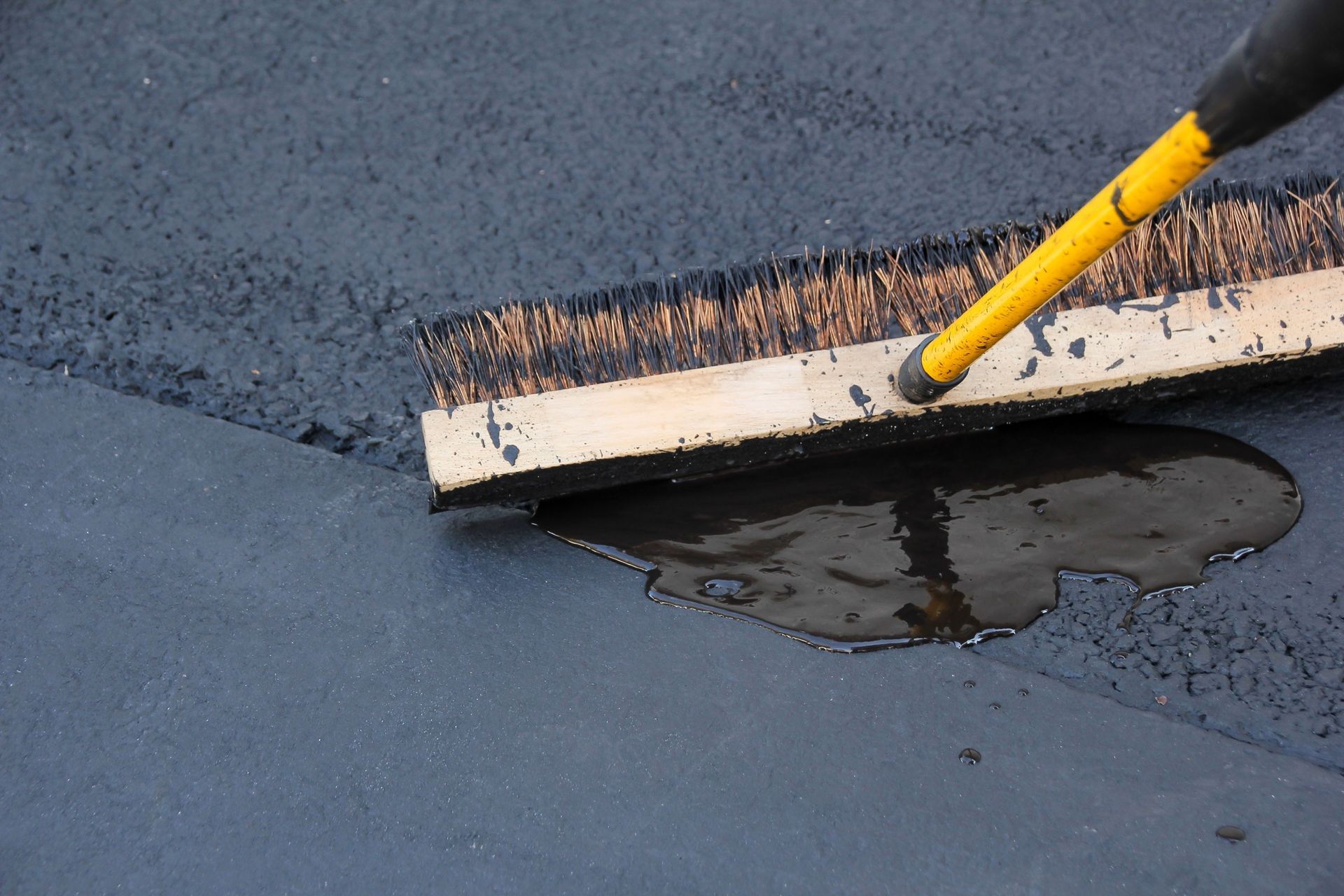
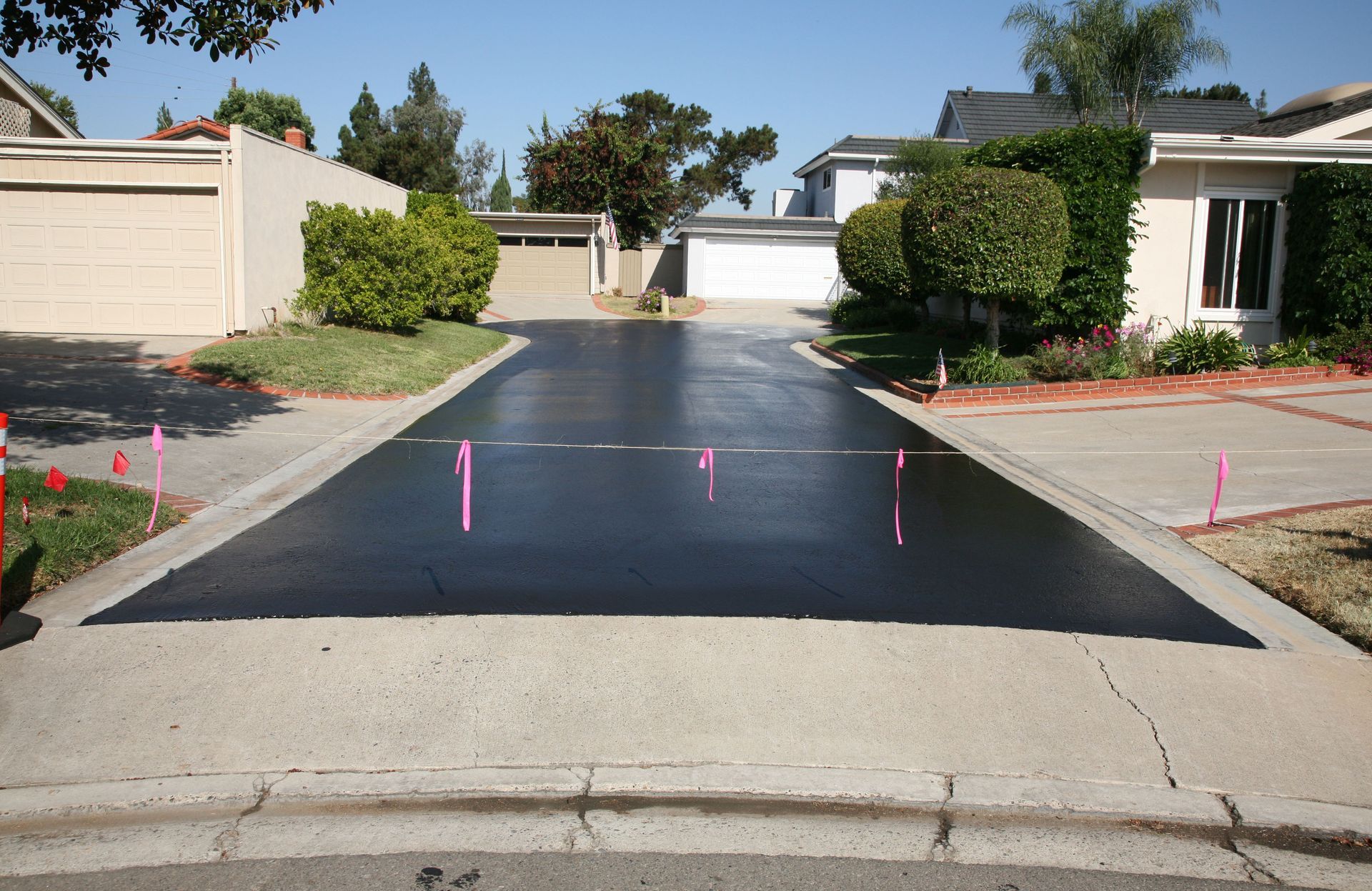
Routine surface cleaning is foundational for maintaining the longevity of blacktop. Dust, debris, mud, and organic materials like leaves create a damp breeding ground for moss and destructive vegetation. Over time, these roots can pierce the surface and weaken the binder matrix. Regularly sweeping your pavement to remove debris prevents surface damage, unappealing staining, and moisture traps. Consistent cleaning is the first step in a regular maintenance program. Beyond basic washing, sealcoating acts as a vital protective barrier that shields the pavement from environmental degradation. According to This Old House, asphalt paving can last 15 to 20 years with regular sealing.
This liquid layer should ideally be applied every two to three years depending on traffic volume. Furthermore, early detection and crack filling prevent water infiltration from destroying the base layers. Monitoring your drainage systems ensures pooling water does not erode the underlying subgrade. Scheduling professional evaluations with a reputable asphalt contractor ensures that subtle signs of subsurface distress are identified and mitigated before expensive failures occur.
Protecting Against Environmental Factors
Weatherproofing your pavement is necessary to combat the destructive effects of extreme weather shifts. Intense summer heat, heavy seasonal rainfall, and winter freezing cycles all severely challenge the flexibility of a paved surface. By applying specialized weather-resistant sealants, you can shield the surface from these natural elements and prevent premature structural failures. Ultraviolet (UV) rays are especially hazardous, causing the binder to oxidize, dry out, become brittle, and lose its rich dark color. Implementing UV-resistant coatings significantly mitigates this problem by reflecting harmful radiation away from the pavement.
Managing temperature fluctuations also requires selecting specialized mixes suited specifically for your local climate zone. Furthermore, preventing chemical spills from vehicles, such as motor oil, gasoline, or brake fluid, is critical because these petroleum-based substances dissolve the binder instantly. A professional asphalt contractor can apply specialized chemical-resistant sealants to protect high-risk parking stalls. Finally, proper winter snow management prevents scraping and preserves surface integrity.
Enhancing Structural Integrity
The ultimate lifespan of any paved surface depends heavily on the preparation of its underlying foundation. A well-compacted subgrade base ensures an even distribution of heavy vehicular weight and prevents subgrade shifting that directly causes structural cracking. Investing in premium base preparation prevents localized sinking and costly deep repairs down the line. Additionally, executing a proper asphalt mix design that balances aggregate size with binder volume is essential for enduring heavy traffic loads.
A skilled asphalt contractor will carefully calculate the anticipated traffic stresses to select the optimal mix design for your specific project. Advanced layering techniques must also be utilized during installation, ensuring each hot-mix layer is laid at the correct temperature and compacted uniformly to eliminate structural air voids. To add extra tensile strength on high-stress roadways, modern paving crews often implement specialized reinforcement methods such as geogrids or synthetic fibers embedded within the mix. Optimizing compaction density remains a vital metric to maximize pavement strength.
Effective Usage and Traffic Management
Implementing effective traffic management protocols plays a pivotal role in safeguarding your paved surfaces from premature structural wear. Heavy vehicle overloading is a primary cause of deep rutting and fatigue cracking, particularly on thinner residential pavements. By establishing and strictly enforcing vehicle weight restrictions, property managers can minimize structural stress and prolong the periods between necessary maintenance cycles. Posting highly visible weight-limit signs and monitoring heavy delivery vehicle access are exceptional preventative measures.
Additionally, optimizing traffic flow patterns can significantly minimize concentrated stress on specific lanes. For example, an asphalt contractor can evaluate your parking lot layout to design wider turning radii and smooth transitions that eliminate sharp, high-friction turns. Scheduled traffic diversions can also be utilized on large commercial properties to allow vulnerable sections of pavement to recuperate from repetitive heavy wheel loads. Carefully monitoring heavy construction equipment usage will prevent severe mechanical gouging and preserve the underlying structural matrix for years to come.
Timely Repairs and Renovations
When surface distress inevitably appears, executing timely structural repairs prevents minor blemishes from escalating into full-scale paving failures. Utilizing advanced crack filling techniques with elastomeric rubberized sealants allows the treated areas to flex naturally during seasonal temperature shifts, keeping water out of the base. For deeper damage, aggressive pothole repair strategies must be deployed immediately. While temporary cold patches offer immediate relief during freezing weather, permanent hot-mix asphalt cut-outs are required for long-term stability.
If the surface exhibits widespread minor cracking but the underlying base remains structurally sound, resurfacing options offer an exceptional budget-friendly solution. Paving crews can perform professional milling and overlay procedures, which involve grinding away the damaged top layer of old blacktop and replacing it with a fresh, durable wear layer. Hiring a qualified asphalt contractor for milling operations ensures the proper drainage angles are restored perfectly. Furthermore, incorporating sustainable recycling methods, such as utilizing reclaimed asphalt pavement (RAP), reduces environmental waste while delivering high-performance renewal solutions.
Innovations in Asphalt Technology
The modern paving industry is continuously evolving, introducing remarkable technological innovations that significantly enhance pavement longevity. Advanced polymer-modified sealants now offer superior flexibility, faster curing times, and enhanced resistance against chemical spills compared to traditional mixtures. Porous asphalt solutions represent another revolutionary advancement, utilizing an open-graded aggregate matrix that allows rainwater to drain directly through the pavement surface into the soil below, completely eliminating standing water and hydroplaning hazards.
Property owners frequently consult a progressive asphalt contractor to implement these eco-friendly, low-emission materials that lower carbon footprints without sacrificing durability. Looking toward the future, smart asphalt monitoring systems utilizing embedded digital sensors are becoming increasingly common, tracking internal temperature and strain data to predict maintenance needs accurately. Finally, groundbreaking self-healing asphalt technologies embedded with microcapsules of rejuvenators are undergoing field trials, promising to automatically repair microscopic structural fissures before they ever manifest into visible cracks, redefining long-term infrastructure preservation.
Extending the operational longevity of your pavement requires a proactive combination of routine maintenance, environmental shielding, and professional structural care. By addressing minor cracks early, optimizing traffic patterns, and embracing modern material innovations, you can successfully maintain a smooth, safe, and visually impressive surface for decades. When your property requires advanced diagnostic evaluations, precision hot-mix repairs, or comprehensive sealcoating protection, relying on a qualified professional ensures your infrastructure receives the highest standard of care. To eliminate logistical friction, protect your financial investment, and secure a durable surface that stands the test of time, contact the dedicated team at Asphalt Paving & Concrete today to schedule your comprehensive on-site consultation.